
Denso 234-9052
Denso 234-9052 Air Fuel Ratio Sensor User Manual
Modelo: 234-9052 | Marca: Denso
Introdución
This manual provides essential information for the proper installation, operation, and maintenance of your Denso 234-9052 Air Fuel Ratio Sensor. This sensor is designed to meet strict OE standards, ensuring optimal engine performance and fuel efficiency.
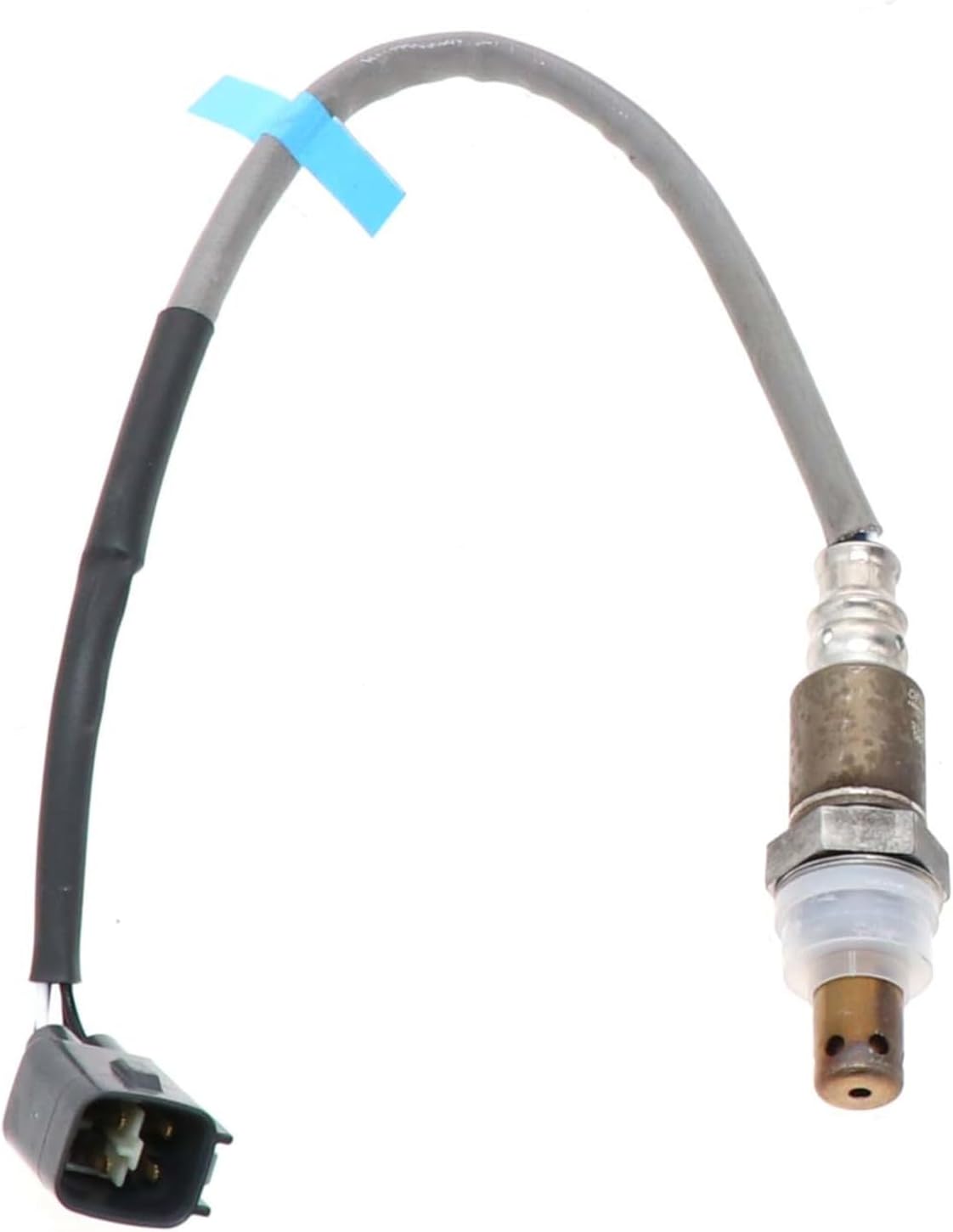
Figure 1: Denso 234-9052 Air Fuel Ratio Sensor. This image shows the complete sensor unit, including the sensor tip, wiring, and electrical connector.
Información de seguridade
Always observe the following safety precautions when handling or installing automotive components:
- Asegúrese de que o motor do vehículo estea apagado e frío antes de comezar calquera traballo.
- Desconecte a batería do vehículo para evitar riscos eléctricos.
- Usar o equipo de protección individual axeitado, incluíndo lentes e luvas de seguridade.
- Consulta o manual de servizo específico do teu vehículo para obter instrucións detalladas e especificacións de torque.
- Se non tes dúbidas sobre algún paso, consulta cun técnico de automoción cualificado.
O que hai na caixa
The Denso 234-9052 Air Fuel Ratio Sensor package typically includes:
- Un (1) sensor de relación aire/combustible Denso 234-9052

Figure 2: Denso Air Fuel Ratio Sensor packaging. The box indicates "AIR/FUEL SENSOR" and "first time fit".
Configuración e instalación
The Denso 234-9052 Air Fuel Ratio Sensor is designed for direct replacement and easy installation. However, due to the complexity of automotive systems, professional installation is highly recommended.
Pasos xerais de instalación:
- Preparación: Estacione o vehículo nunha superficie chan e active o freo de man. Deixe que o motor arrefríe completamente. Desconecte o terminal negativo da batería.
- Localiza o sensor: Identify the old air/fuel ratio sensor on your vehicle. Its location varies by vehicle model (e.g., exhaust manifold, exhaust pipe). Refer to your vehicle's service manual for the exact location.
- Desconectar o conector eléctrico: Desconecte con coidado o conector eléctrico do sensor antigo.
- Eliminar o sensor antigo: Use an appropriate oxygen sensor wrench or socket to loosen and remove the old sensor from the exhaust system. Be aware that the sensor may be seized due to heat and corrosion.
- Inspect New Sensor: Ensure the new Denso sensor (Model 234-9052) matches the old sensor in terms of connector type and thread size. The new sensor typically comes with anti-seize compound pre-applied to the threads.
- Instalar un novo sensor: Carefully thread the new sensor into the exhaust bung by hand to prevent cross-threading. Once hand-tight, use the oxygen sensor wrench to tighten it to the vehicle manufacturer's specified torque. Non apretar demasiado.
- Conectar o conector eléctrico: Volva conectar o conector eléctrico ao novo sensor, asegurándose de que encaixe correctamente no seu lugar.
- Pasos finais: Reconnect the vehicle's battery. Start the engine and check for any warning lights or abnormal operation. It may be necessary to clear any stored diagnostic trouble codes (DTCs) using an OBD-II scanner.
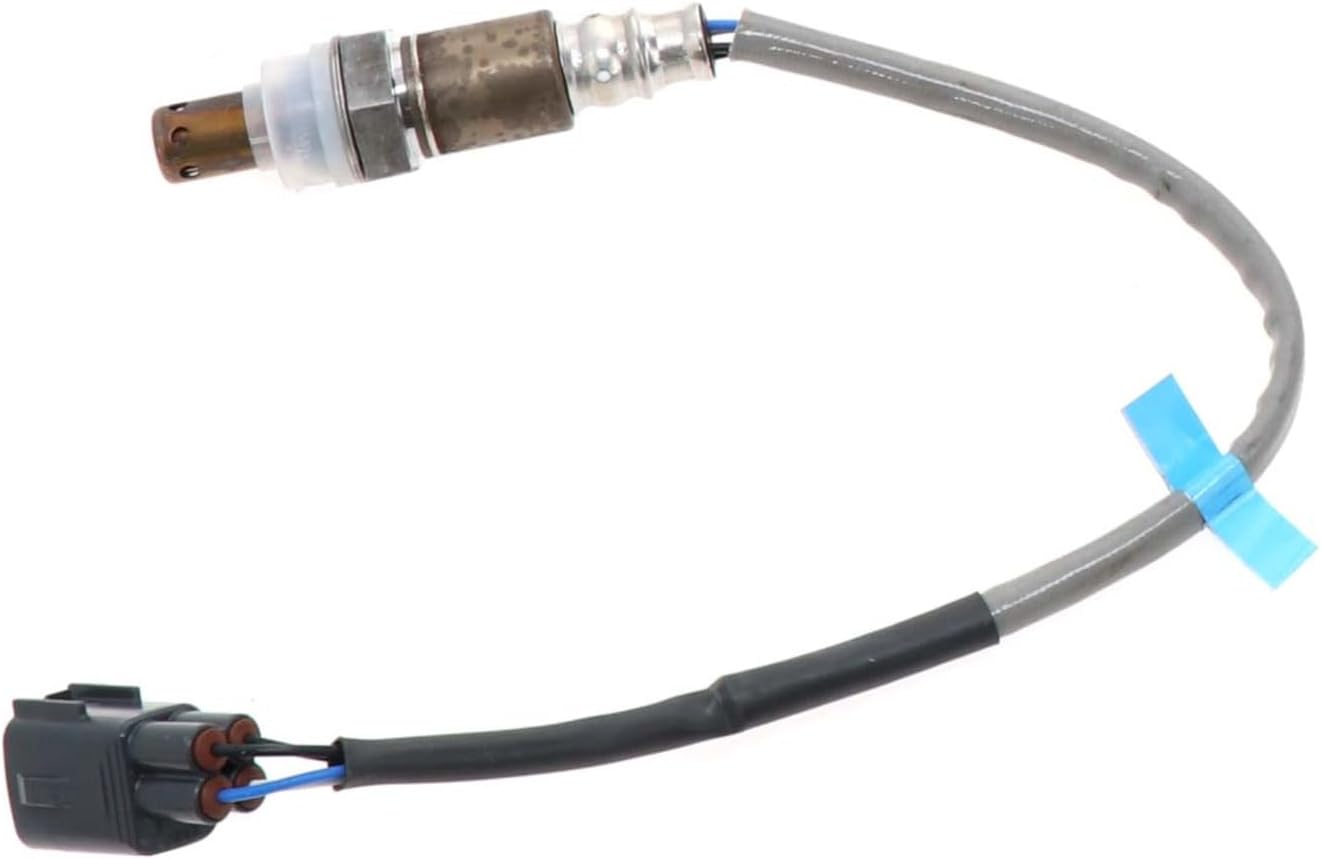
Figura 3: Traseira view of the Denso Air Fuel Ratio Sensor, showing the electrical connector and the sensor body.
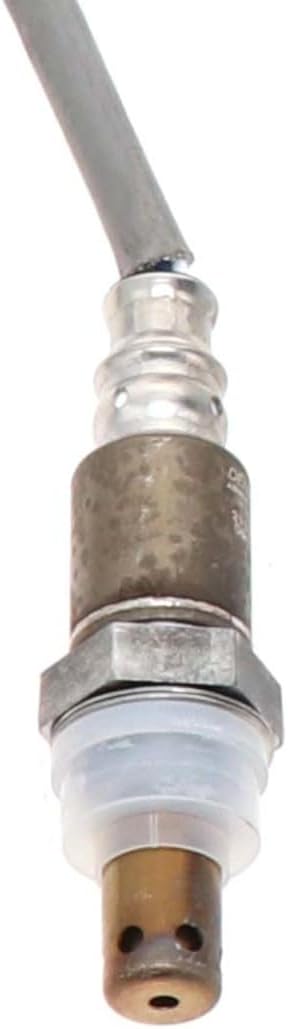
Figure 4: Close-up of the sensor tip, which is inserted into the exhaust stream to measure oxygen levels.

Figura 5: detallada view of the electrical connector, ensuring proper fitment with the vehicle's wiring harness.
Principios de funcionamento
The Denso 234-9052 Air Fuel Ratio Sensor is a critical component of your vehicle's engine management system. It continuously monitors the oxygen content in the exhaust gases.
As funcións clave inclúen:
- Air/Fuel Ratio Monitoring: The sensor provides precise feedback to the Engine Control Unit (ECU) regarding the air-to-fuel mixture entering the engine.
- Optimización do rendemento: By accurately mapping air/fuel ratios throughout the RPM range, the sensor helps the ECU adjust fuel delivery for maximum engine performance.
- Eficiencia de combustible: Maintaining an optimum air/fuel ratio reduces fuel consumption.
- Redución de emisións: An optimal air/fuel mixture is crucial for the efficient operation of the catalytic converter, thereby reducing harmful emissions.
Mantemento
Air Fuel Ratio Sensors are wear items and their performance can degrade over time due to exposure to exhaust gases, contaminants, and extreme temperatures. While no routine maintenance is typically required for the sensor itself, regular vehicle maintenance is important for its longevity.
- Regular Vehicle Servicing: Adhere to your vehicle manufacturer's recommended service intervals, including oil changes and tune-ups, to ensure the engine runs cleanly and minimizes sensor contamination.
- Inspección: During routine vehicle inspections, a qualified technician may visually inspect the sensor and its wiring for any signs of damage or corrosion.
- Substitución: Sensors typically have a lifespan, and replacement is recommended when performance degrades or a diagnostic trouble code indicates a fault. Consult your vehicle's service manual for recommended replacement intervals.
Resolución de problemas
If you experience issues that you suspect are related to your air fuel ratio sensor, consider the following common symptoms and potential solutions:
| Síntoma | Causa posible | Solución |
|---|---|---|
| Luz de comprobación do motor (CEL) acesa | Faulty A/F sensor, wiring issue, or related component failure. | Scan for Diagnostic Trouble Codes (DTCs) using an OBD-II scanner. If codes related to the A/F sensor are present (e.g., P0171, P0172, P0174, P0175, P0420, P0430), inspect the sensor and wiring. Replace if faulty. |
| Diminución do aforro de combustible | Inaccurate sensor readings leading to incorrect fuel mixture. | Verify sensor operation with a diagnostic tool. Consider replacement if readings are erratic or out of specification. |
| Rough Idling or Engine Misfires | Poor air/fuel mixture due to sensor malfunction. | Check for other engine-related issues first. If the sensor is suspected, diagnose and replace as needed. |
| Proba de emisións fallida | Sensor not effectively regulating emissions. | A faulty A/F sensor can directly impact emissions. Replacement may be necessary to pass emissions tests. |
Nota: Many symptoms can be caused by various vehicle components. Always perform proper diagnostics or consult a certified mechanic to accurately identify the root cause of any issue.
Especificacións
| Atributo | Valor |
|---|---|
| Marca | Denso |
| Número de modelo | 234-9052 |
| Material | Aceiro inoxidable, circonio |
| Peso do elemento | 0.27 libras (aprox. 4.3 onzas) |
| Estilo | Recambio |
| Precisión de medición | Alto |
| Rango de medición | 1 - 20 (air:fuel) |
| Tipo de montaxe | Thread-In |
| Tipo de saída | Push-Pull |
| Usos específicos | Sensor de proporción aire/combustible de substitución |
| Clasificación de temperatura superior | 1800 graos Fahrenheit |
| UPC | 042511112896 |
| Dimensións do produto (L x W x H) | 5.75" x 1.88" x 2.19" |
Información da garantía
Denso products are manufactured to high-quality standards and are typically backed by a manufacturer's warranty against defects in materials and workmanship. The specific terms and duration of the warranty may vary. Please retain your proof of purchase.
For detailed warranty information, please refer to the documentation included with your product or visit the official Denso websitio.
Apoio
For technical assistance, installation questions, or troubleshooting beyond the scope of this manual, please contact Denso customer support or consult a certified automotive technician.
Oficial de Denso Websitio: www.denso.com (Consulte as zonas rexionais) websites for specific contact information).
Ask a question about this manual
Ask about setup, troubleshooting, compatibility, parts, safety, or missing instructions. Manuals+ will review the question and use this page’s manual context to help answer it.